Si Wu Tang (四物汤): The Four Substances Soup Guide
The classic women’s tonic: dang gui, shu di, bai shao and chuan xiong. Ratios, history and a modern chicken soup recipe.
6 min read · Updated
Quick answer
Si Wu Tang (四物汤, Four Substances Soup) is a classical Traditional Chinese Medicine (TCM) formula made of four herbs: Dang Gui (dong quai), Shu Di (prepared rehmannia), Bai Shao (white peony root) and Chuan Xiong (Szechuan lovage). It is traditionally used to nourish blood and is often cooked with chicken after the menstrual cycle.
Key takeaways
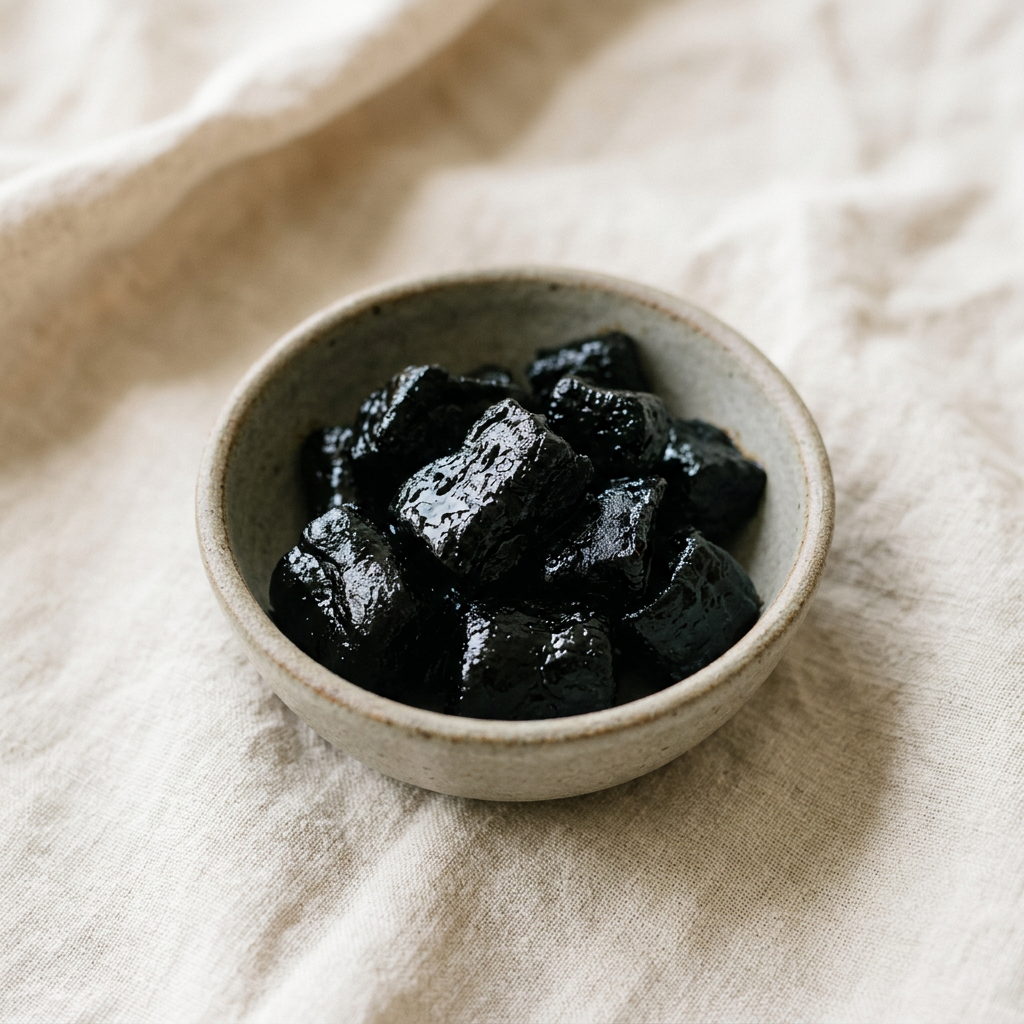
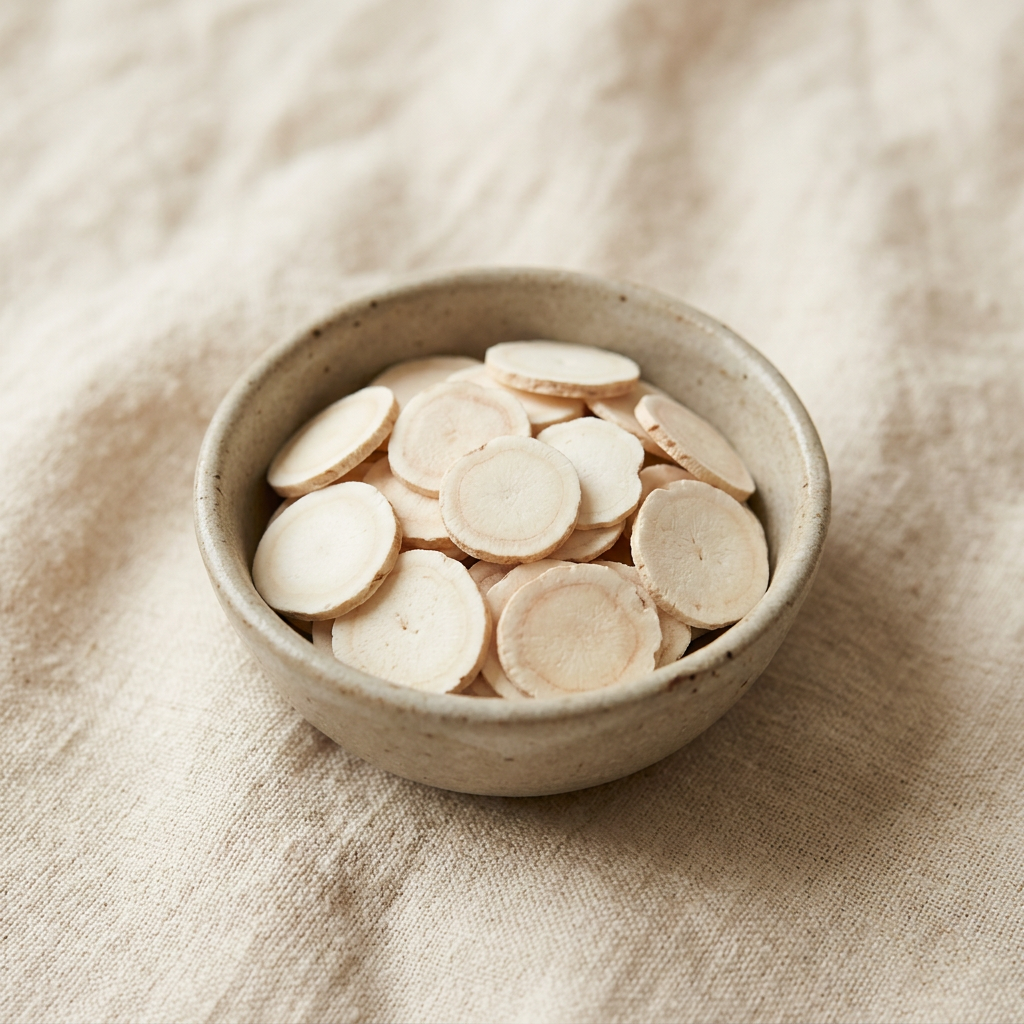
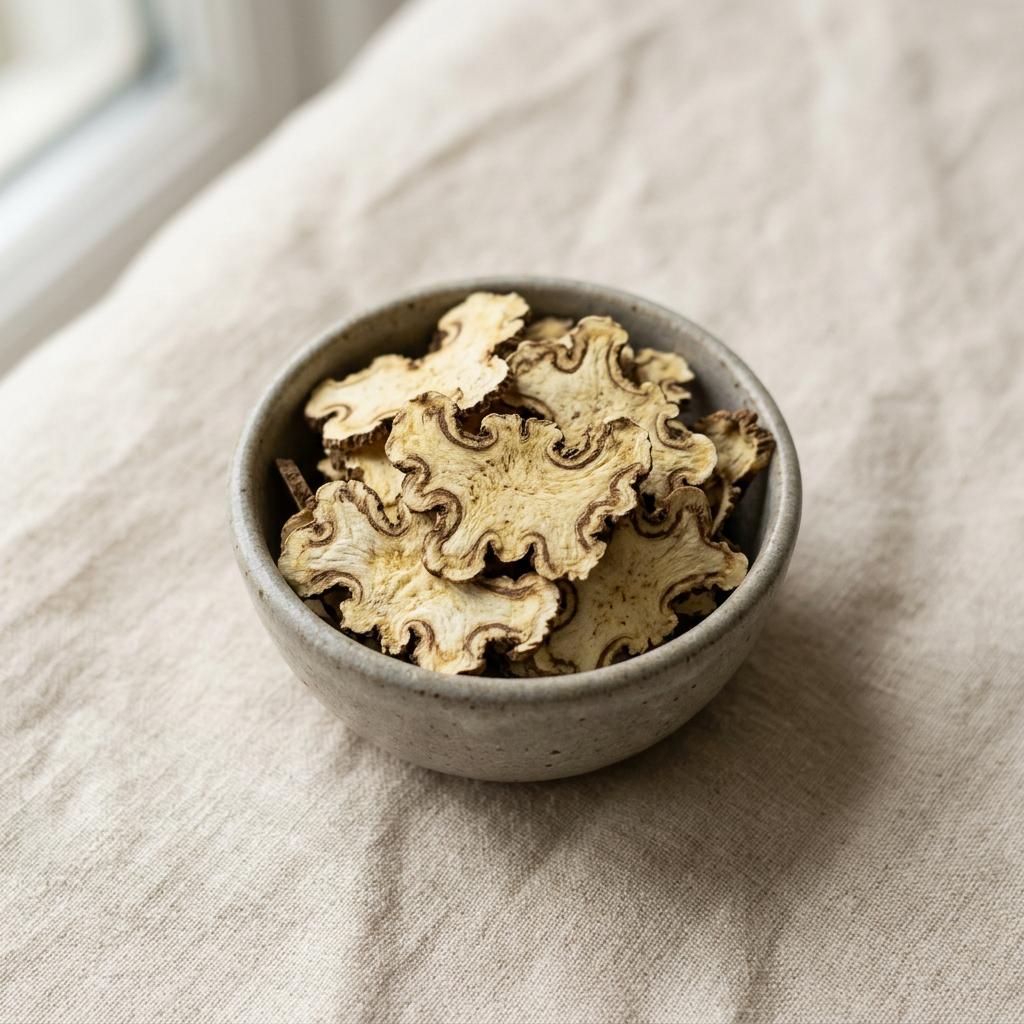
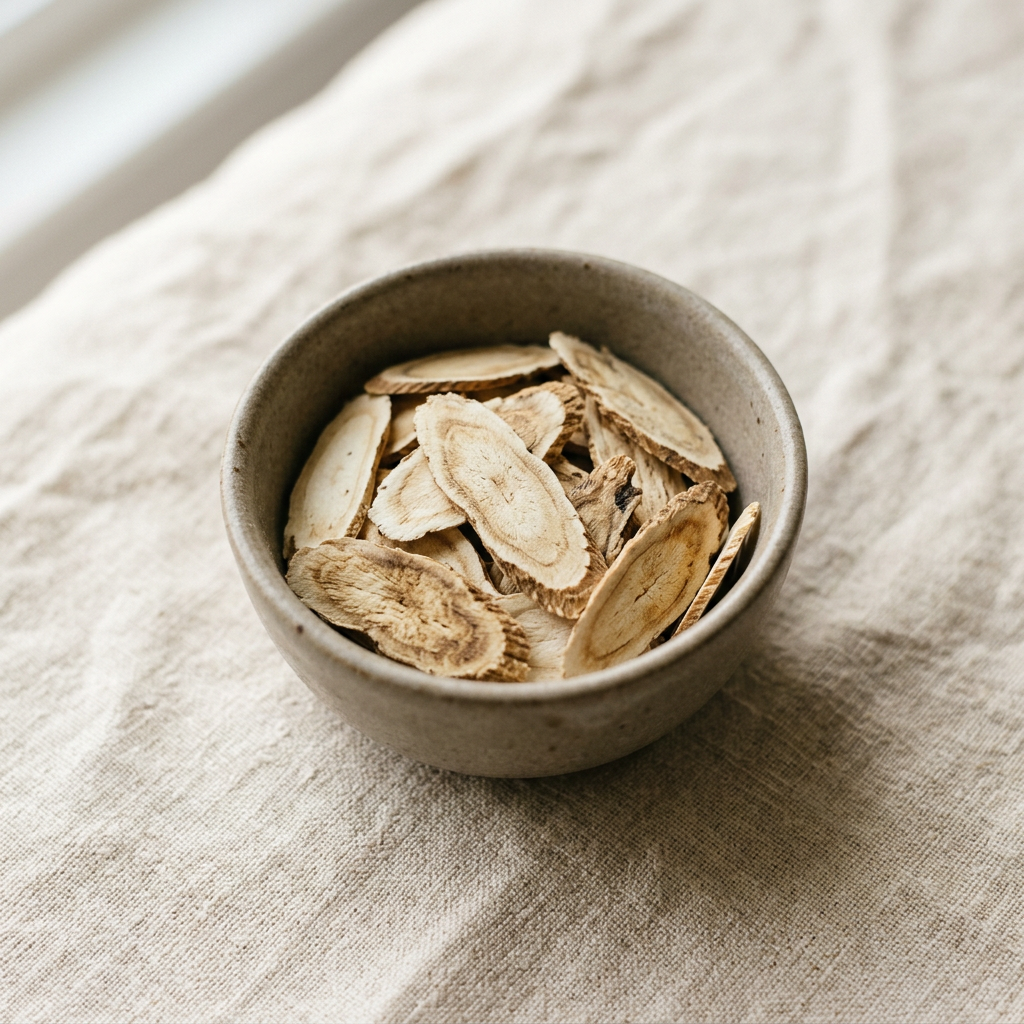
- Classic ratio: Shu Di 12 g · Dang Gui 10 g · Bai Shao 10 g · Chuan Xiong 6 g.
- Traditionally taken after, not during, menstruation.
- Not for use during pregnancy unless directed by a practitioner.
The four herbs and their roles
Shu Di nourishes; Dang Gui nourishes and moves; Bai Shao softens and preserves; Chuan Xiong moves. Together they form one of the most famous formulas in Traditional Chinese Medicine (TCM), first recorded in the Song dynasty.
Si Wu Tang chicken soup
Serves 3–4.
- 1Rinse herbs and soak 15 minutes.
- 2Blanch 1 lb chicken pieces, then rinse.
- 3Add chicken, herbs, 4 red dates and 8 cups water to a pot.
- 4Bring to a boil, then simmer covered for 1.5–2 hours.
- 5Season lightly with salt.
Frequently asked questions
When should Si Wu Tang be taken?
Traditionally it is taken in the days after menstruation ends. It is not recommended during pregnancy or heavy bleeding.
Is Si Wu Tang bitter?
Lightly. The shu di and red dates add sweetness; dang gui and chuan xiong add an aromatic, slightly bitter note.
Traditional uses are described for educational purposes and are not medical advice. If you are pregnant, nursing or taking medication, consult a qualified healthcare provider before using herbs.